
Professor Hosts Lecture on Identifying Real News
Staff Writer
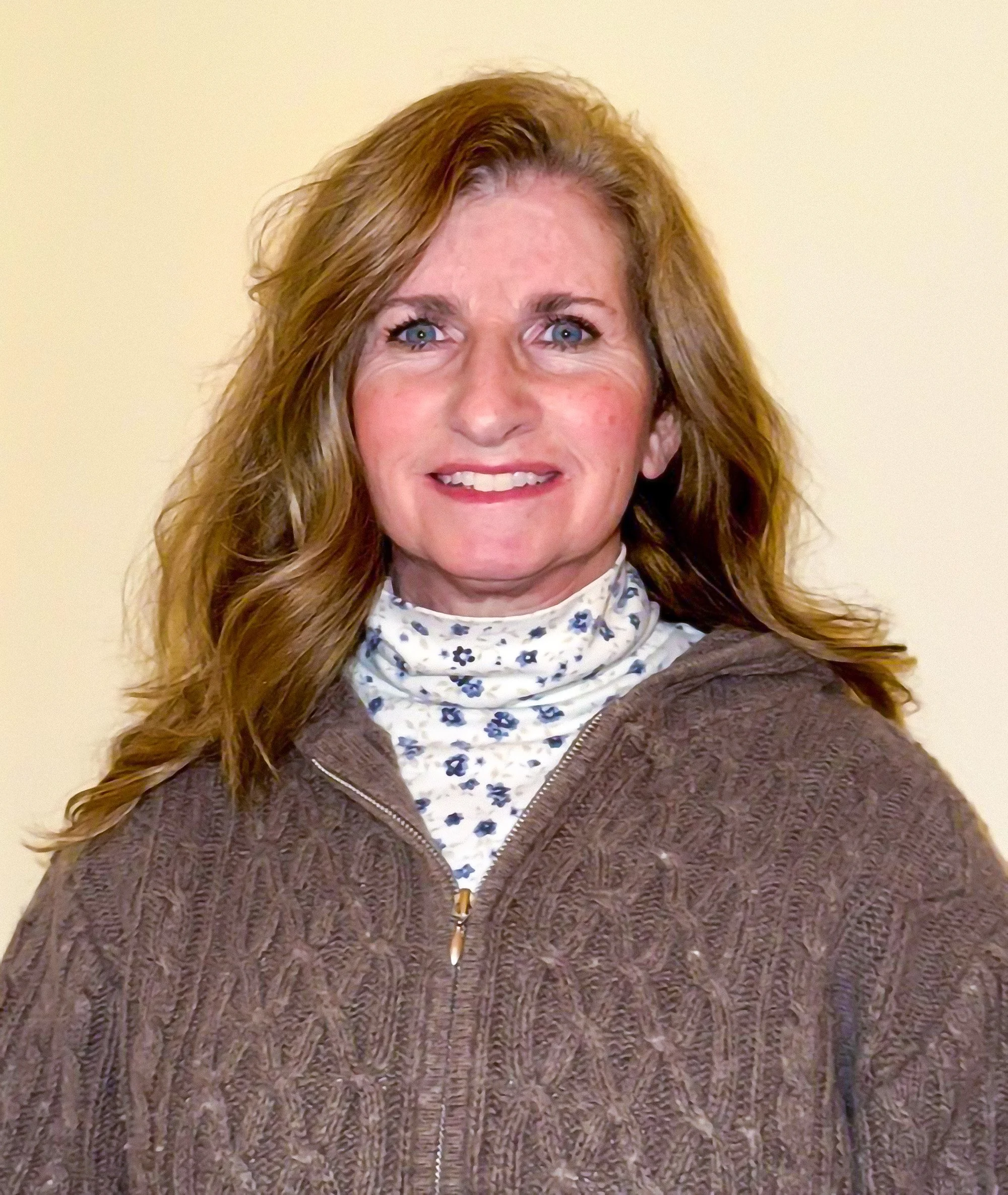
Photo Submitted by Cheryl Conway
With social media and online journalism leading the way in which individuals get their news—and now with artificial intelligence clouding the way—it is important more than ever to decipher between news and nonsense.
Longtime journalist, writer, editor, and publisher Cheryl Conway spoke on this topic on Tuesday, Nov. 11, at the Sussex County Community College in Newton. She was invited by SCCC’s Visual & Performance Arts Department and its Center For Lifelong Learning to present her hour-long lecture to students, faculty, and the community.
How Do You Know What is Real News and What is Fabricated?
“The internet has transformed how we publish, share, and consume news and information—often without much regulation or editorial oversight,” says Conway. “Today, many people get their news from social media and other online platforms, but it can be challenging to tell which stories are trustworthy and which are misleading.
“With AI now in the picture, information, especially photographs, can be falsified even more!” she stresses. “Artificial intelligence—an amazing tool—but at the same time how do we know what is real and what is false? Some may call AI wickedly great!”
Conway talked about how online journalism and social media only increases fake news. She gave several examples of fake news and discussed how a viewer can easily be misled.
At the end of her presentations, Conway gave some tips to consider when it comes to deciphering between news that is real and news that is nonsense:
To decipher between whether news is fake or fact, consider these tips:
Where did the information come from? Who is the source? What is their title or expertise? Use fact-checking sites such as Politifact, Snopes or Fact Check.
Is there a byline? Who wrote the article? What is his/her title and expertise?
Research the publication? How credible is this platform or site?
What is the date of this article? Is it a current event? Is it a current photo?
Don’t be gullible and believe everything you read and see.
Be aware of your own biases and judgement.
Look for clues that may contain misleading information.
Those who attended walked away feeling more confident when it comes to looking at or reading the news with a third eye.
“An important thing I learned is that truth isn’t always in print,” says Valerie Egan, a student of the SCCC Community Journalism Certificate Course. “Check it before you trust it.”
A seasoned journalist with 35 years’ experience as a reporter and editor for community newspapers and magazines, as well as publisher of her online publication in her hometown, Conway teaches Journalism I and II at SCCC as well as the Community Journalist Certificate Course offered through the SCCC Center for Lifelong Learning.
For the second year in a row, SCCC has received a grant to continue offering the free Community Journalist Certificate. The training focuses on helping community members develop the skills needed to serve as community journalists, covering community-centered news happening in their hometowns and county. The grant is from the New Jersey Council for the Humanities and designed with input from the Journalism + Design department at the New School.
This lecture was jointly sponsored by the Journalism program offered through SCCC’s Visual & Performance Arts Department, The Center for Lifelong Learning and the New Jersey Council for the Humanities with input from the Journalism + Design department at the New School.
